Climate-smart farming, integrated from soil to orchard.
We grow 200 avocado trees — Hass and indigenous varieties — keep kienyeji poultry and a small dairy herd, and close the loop with organic manure that feeds it all back into the land.
Farmed by Ursula Nelima
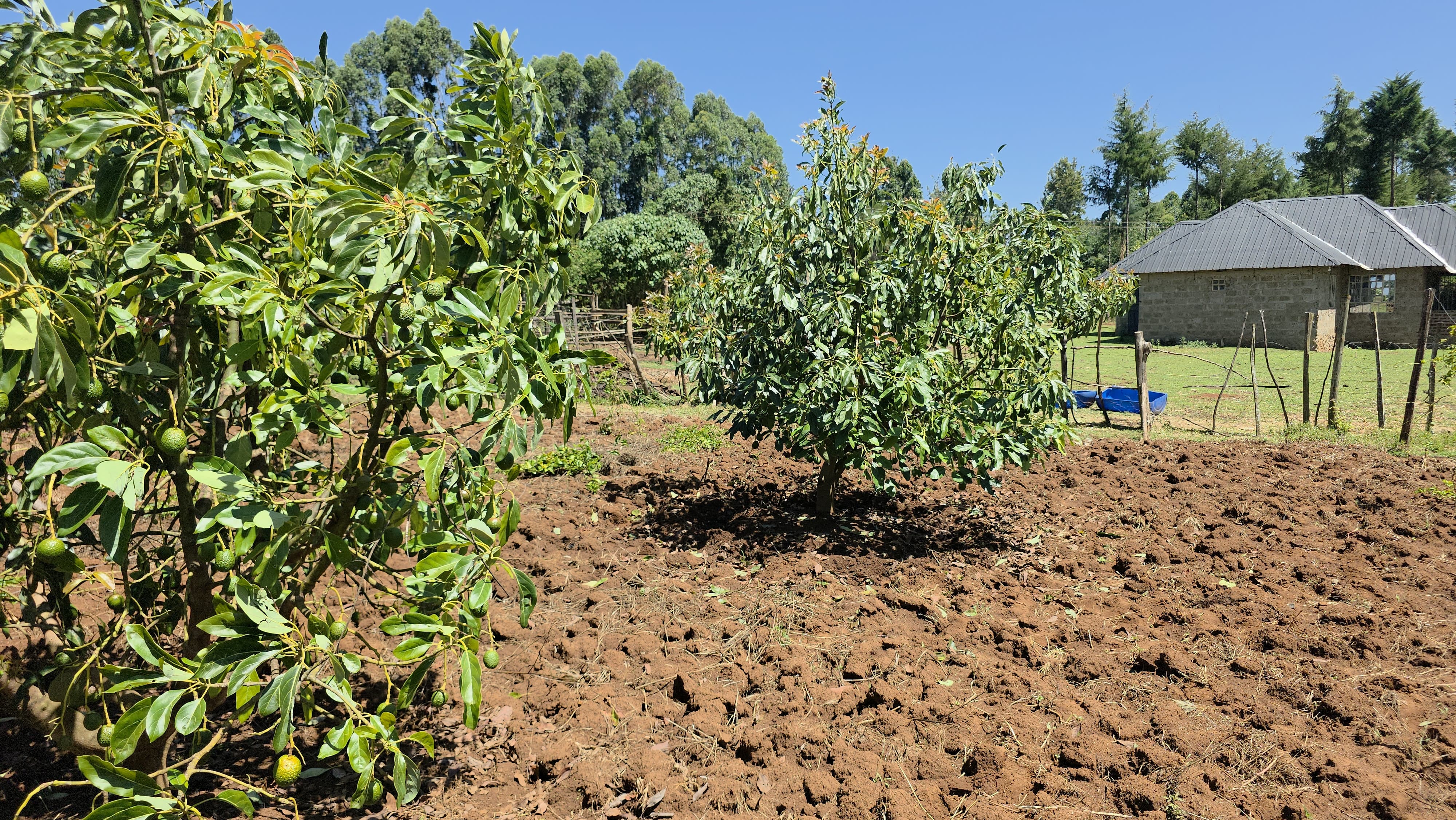
Integrated Agro-Ecological Climate Farm sits in Mabusi village, Likuyani Sub-County, Kakamega County, where the emphasis is on how each part of the farm supports the others. Livestock, poultry, and the avocado orchard are managed as one system rather than separate operations.
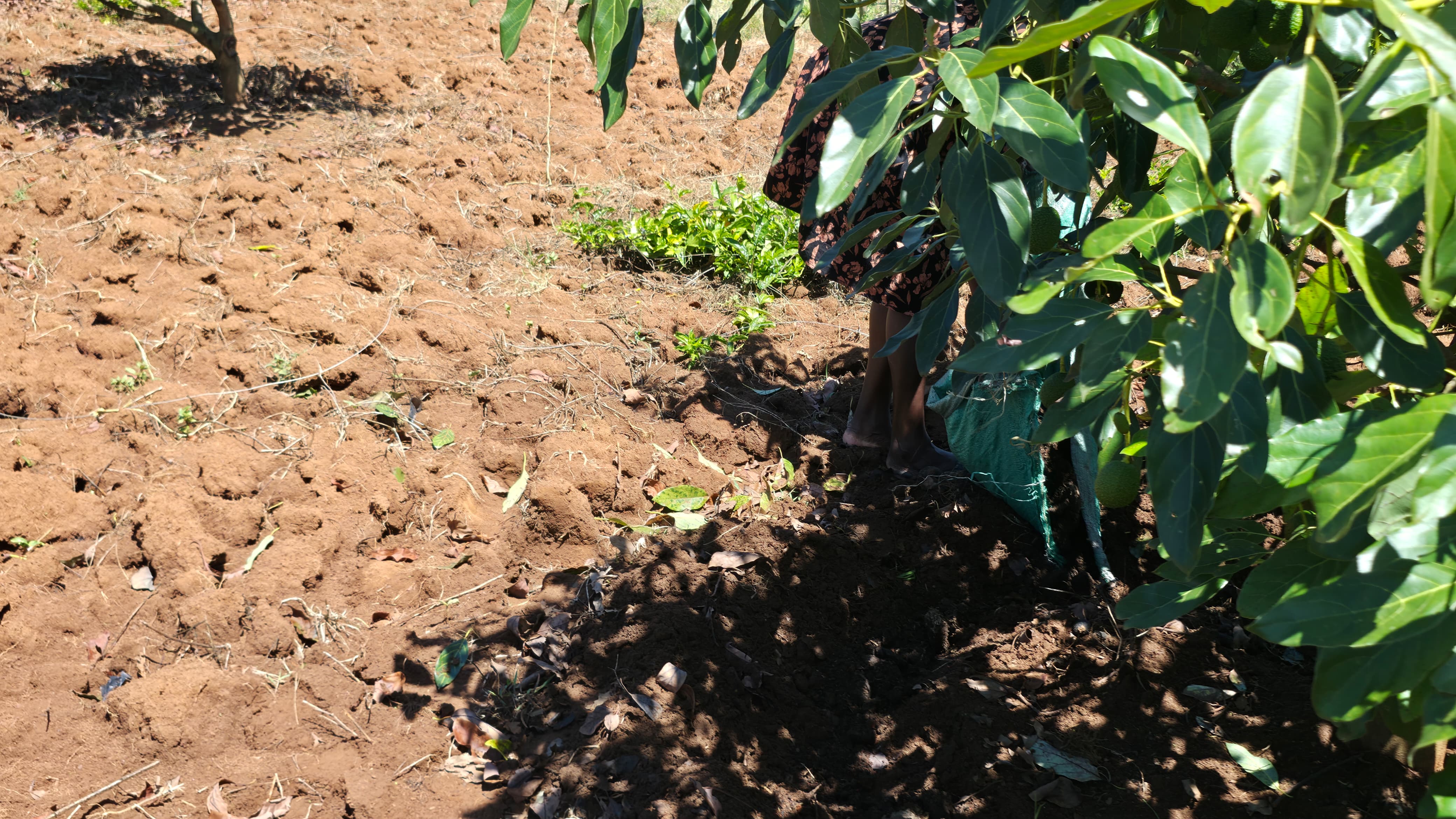
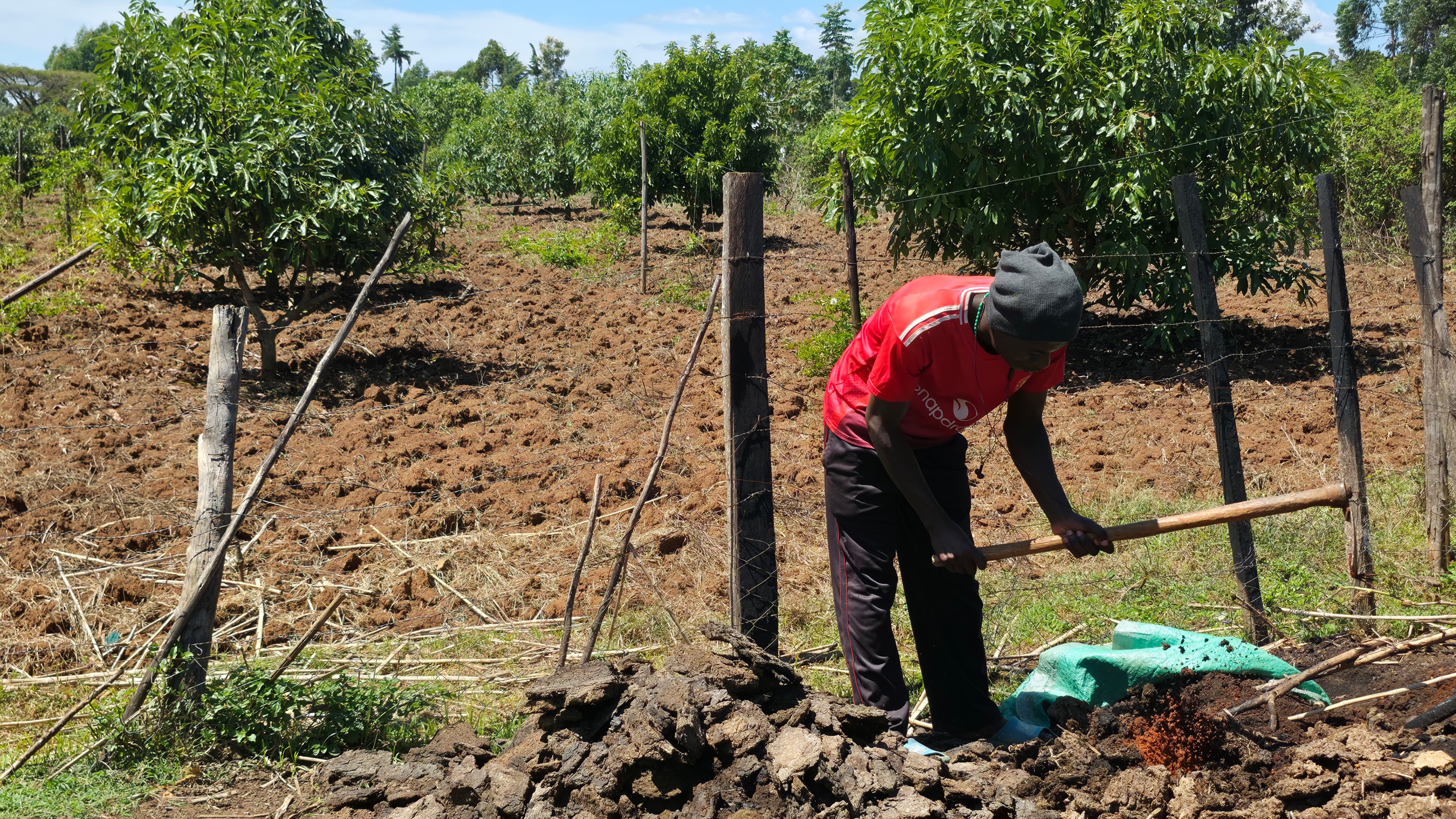
The avocado orchard is the heart of the farm — 200 trees of both Hass and indigenous varieties, chosen to combine reliable local hardiness with fruit suited for wider markets. Around them, kienyeji poultry range freely, and a small dairy herd provides both milk and the manure that keeps the whole system fertile.
The farm also runs a piggery structure, built and previously stocked, currently available for restocking as the enterprise plans its next cycle.
What we raise and grow
Each enterprise is run on its own rhythm, and each one feeds back into the farm's soil and economy.
Replace images/kienyeji-poultry.jpg with your own photo
Poultry — Kienyeji
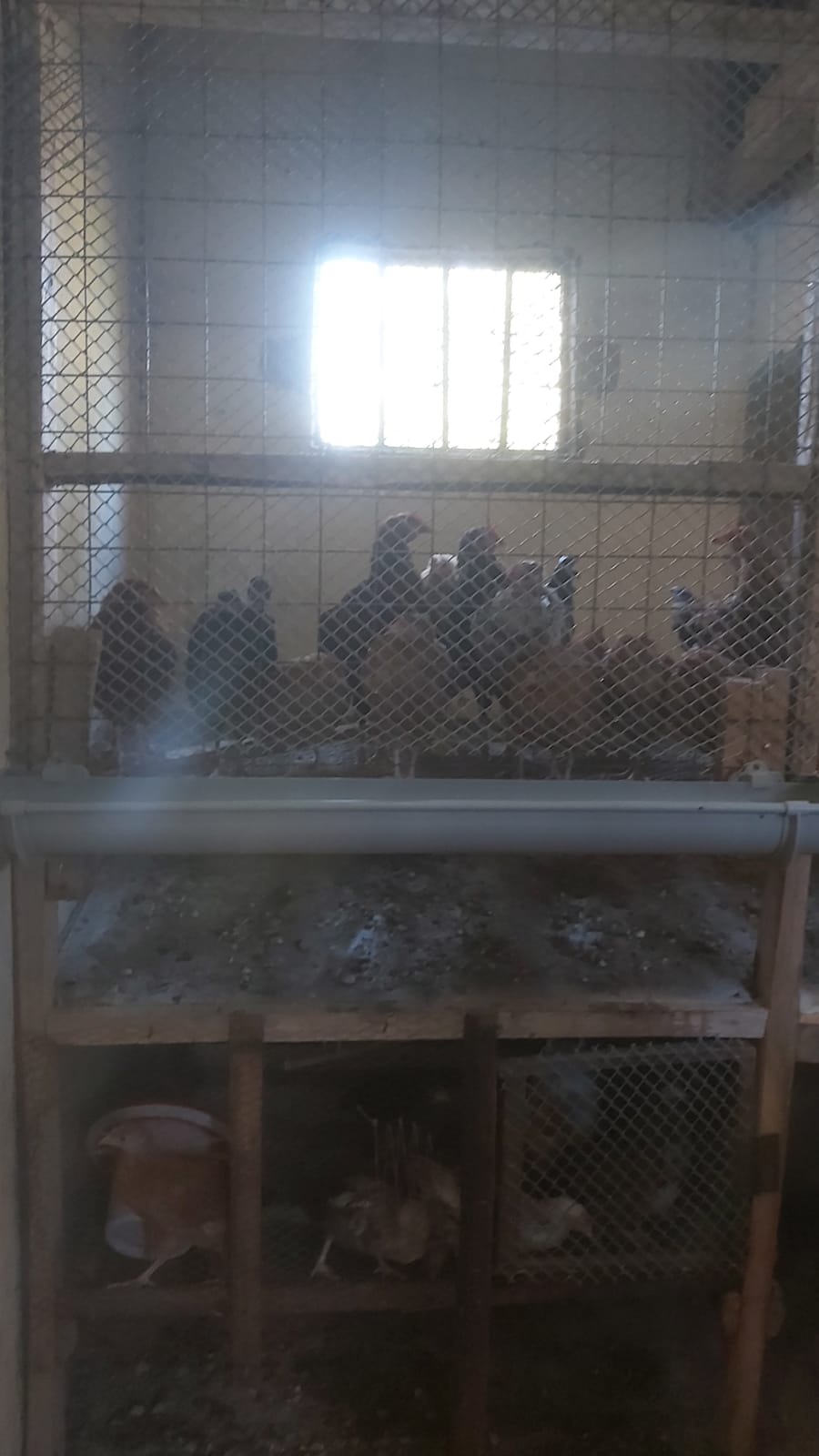
Around 25 kienyeji (indigenous) chickens kept free-range around the homestead and orchard. Hardy, low-input birds that provide eggs and meat while helping control pests between the avocado rows.
Replace images/dairy-cows-and-calves.jpg with your own photo
Dairy
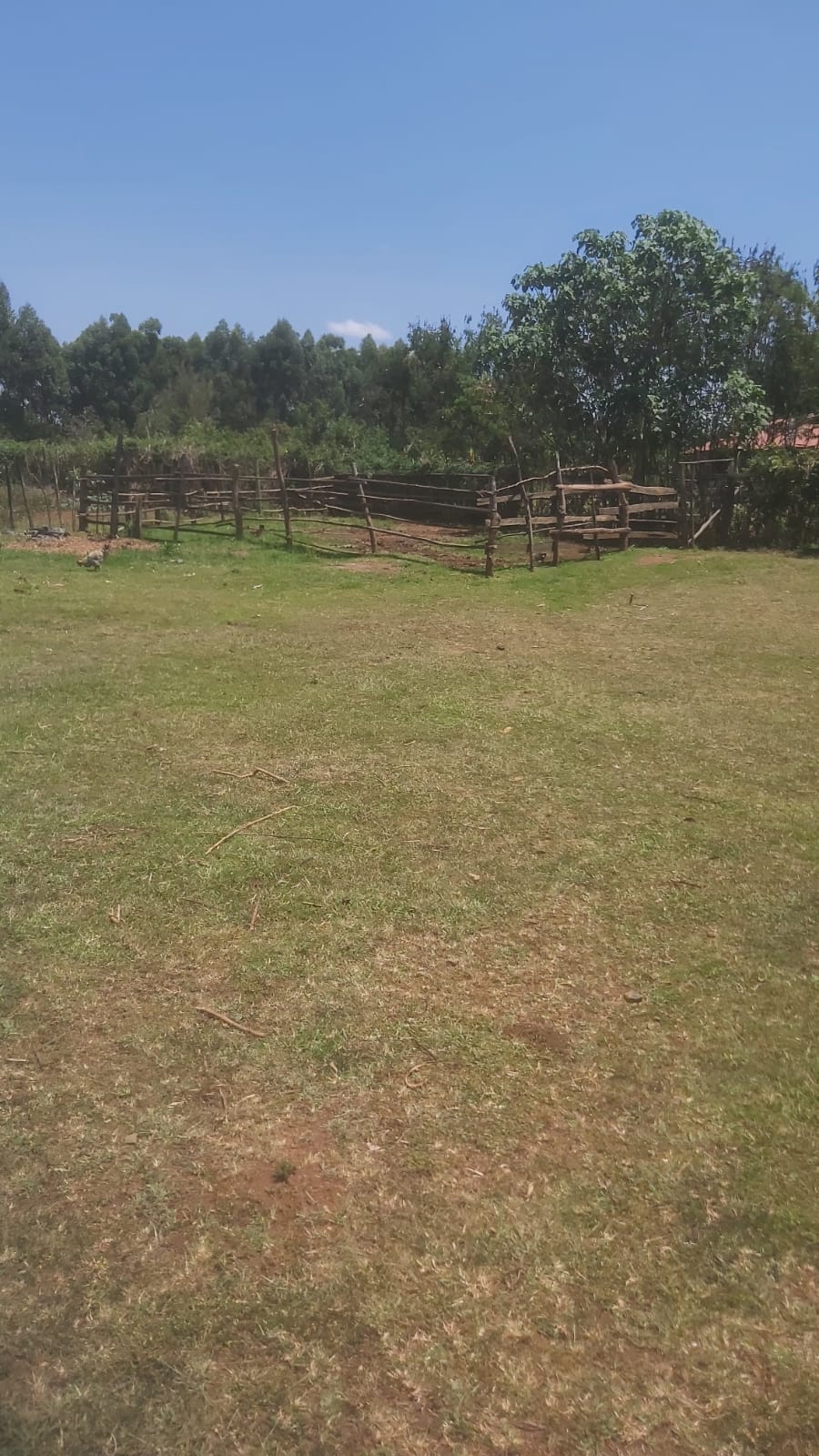
A small, well-tended herd of 2 dairy cows plus 3 calves. Milk supports the household and local sales, and manure from the herd is the backbone of the farm's organic fertility programme.
.jpg)
Piggery structure — ready for restocking
Piggery
The farm's piggery structure is built and has previously been stocked and sold through to market. It currently stands ready for the next restocking cycle as part of the farm's rotating enterprises.
Replace images/avocado-orchard.jpg with your own photo
Avocado
200 avocado trees across the orchard, combining Hass — grown for its market value and export potential — with indigenous varieties valued for their hardiness and local demand. Fed entirely on the farm's own organic manure.
Why organic manure matters here
Manure from the dairy herd is collected, composted, and returned to the avocado orchard — the core of the farm's climate-smart approach.
- Builds healthier soilOrganic manure improves soil structure and water retention, helping the orchard cope with Kakamega's rainy seasons and dry spells alike.
- Cuts input costsRelying on manure instead of synthetic fertiliser lowers the cost of feeding 200 trees, keeping the orchard affordable to run year over year.
- Closes the farm's nutrient loopNothing from the dairy herd goes to waste — manure that would otherwise be discarded becomes the orchard's main source of fertility.
- Supports climate resilienceManure-fed soils hold carbon and moisture better than chemically fertilised ones, part of why this is run as a climate-smart, agro-ecological farm.
Impact beyond the farm gate
Running four enterprises side by side has meant the farm supports more than just the household.
Avocado trees under active, organically managed production.
Integrated enterprises — poultry, dairy, piggery, and avocado — run as one system.
Farm operations have created local employment across planting, herding, and harvest seasons.
How the farm is run
Agro-ecological by design
Livestock, poultry and orchard are managed together, not separately — each enterprise supports the others.
Climate-smart practices
Organic manure and mixed planting build soil that holds up better against Kakamega's changing rainfall.
Community-rooted
The farm creates local employment and works within the Mabusi and wider Likuyani farming community.
Get in touch
Reach out about avocado, eggs, milk, or visiting the farm.
- Farmer
- Ursula Nelima
- Location
- Mabusi Village, Likuyani Sub-County, Kakamega County, Kenya
- Phone
- 0712 536 208